


- About
- Programs
- Campus Life
- Career Services
- Admissions
- News & Events
- Alumni
- Anton Mosimann


The Ultimate List of Pastries From Every Corner of the World
Explore a delicious list of pastries from around the world, featuring iconic treats from France, Italy, and beyond to satisfy your every sweet craving.

Key Takeaways
- Pastries are a delicious reflection of a region's culture, history, and local ingredients.
- Popular pastries like croissants, cannoli, mooncakes, and baklava are enjoyed worldwide.
- Butter, flour, sugar, and eggs are common ingredients in most pastries.
When traveling somewhere new, sightseeing and speaking to locals may introduce you to the place, but it's often through food that you can best connect with and understand its culture. Every bite reflects centuries of tradition, local ingredients, and the creativity of generations.
Among the many culinary delights you can indulge in, pastries are one of the easiest and most enjoyable ways to experience a region's unique flavors. Their portability makes it easy to sample a variety of dishes without sitting down for a full meal, allowing you to enjoy them as you explore.
To help you savor the world one pastry at a time, we've curated a list of pastries that will provide you with a delicious glimpse into a variety of different cultures.
What Are Pastries?
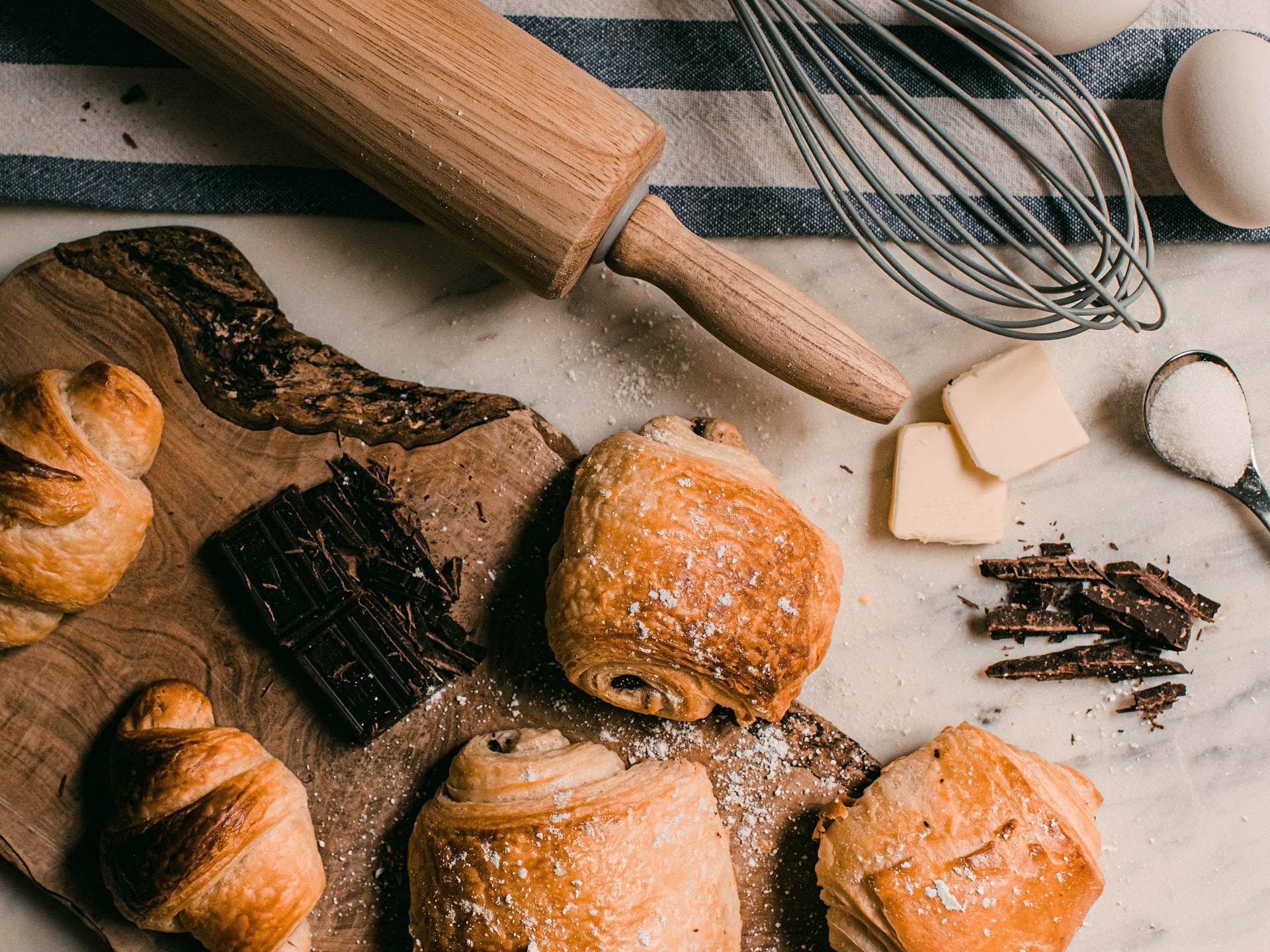
Pastries are baked goods made from dough that typically combines flour, fat (such as butter), and water, sometimes enriched with sugar or eggs, depending on the recipe. One of the defining features of a pastry is its texture, which can range from crisp and flaky to soft and delicate, depending on how the dough is prepared and handled. The structure often comes from layering fat into the dough or carefully mixing it to create a light, tender result.
Pastries can be either sweet or savory. Sweet pastries include items like croissants, tarts, éclairs, and puff pastries filled with cream, fruit, or chocolate, while savory versions might be filled with cheese, meat, or vegetables, such as pies and quiches. Techniques like folding, chilling, and baking at precise temperatures play an important role in achieving the desired texture.
Pastries have a long history that stretches back to ancient civilizations, where early forms looked quite different from what we know today. In places like Egypt, Greece, and Rome, cooks worked with simple dough made from flour and oil, using it to create early versions of sweet treats such as honey cakes, fruit-filled pastries, and nut-stuffed dumplings. These were often sweetened with honey, since refined sugar did not yet exist, and their presence is even recorded in ancient writings, such as those of Aristophanes, and depicted in tomb paintings.
List of Pastries Known Globally
Pastries come in all shapes, sizes, and textures. Some are flaky and buttery, others soft and doughy, and a few are even crisp and fried to golden perfection. Though some of them may look or taste similar, they often incorporate unique twists that reflect the region's culture and culinary traditions.
Classic French pastries


Most travelers who visit Paris are enchanted by the dazzling lights of the Eiffel Tower and the luxurious shops lining the Champs-Élysées, but the city's pastries discretely steal the tourists' attention. Layers and layers of buttery dough paired with rich creams, fresh fruits, and silky custards add bursts of flavor to every bite. Some of the classics include:
- Croissant: Known for its buttery layers and golden, flaky crust, the croissant is a breakfast staple in France and many other regions. Its light, airy interior contrasts with its crisp exterior, making it a perfect pairing with coffee or hot chocolate.
- Éclair: A slender, choux pastry filled with rich cream and topped with glossy chocolate icing, the éclair's smooth texture and sweet filling create a satisfying combination. Variations include coffee, caramel, and fruit-flavored creams.
- Macaron: These delicate, meringue-based cookies are crisp on the outside and chewy inside, with a smooth layer of ganache or buttercream sandwiched between. Available in a rainbow of flavors, such as raspberry, pistachio, and lavender, macarons are as visually appealing as they are delicious.
Italian pastries
When it comes to exploring Italian cuisine, most people focus on pizza and pasta. But, if you pass up the pastries, you're missing out on la dolce vita!
With their rich ricotta fillings, crunchy nuts, and bursts of citrus zest, the following pastries capture the essence of Italy's vibrant culinary traditions:
- Cannoli: Crisp, fried pastry tubes filled with sweet ricotta cheese, often mixed with chocolate chips, candied fruit, or pistachios. The contrast between the crunchy shell and creamy filling makes cannoli a timeless favorite.
- Sfogliatella: Shaped like a seashell, this pastry features thin, crispy layers of dough filled with sweet ricotta, semolina, and citrus zest. Its flaky texture and slightly tangy filling offer a delightful balance of flavors.
- Zeppole: These light, airy doughnuts are fried to golden perfection and dusted with powdered sugar. Often enjoyed during festivals, they may be filled with custard or jelly, adding a sweet surprise to every bite.
Our graduates at Culinary Arts Academy Switzerland (CAAS) are making their mark around the world, and Sofia Söderberg is a perfect example. Her passion for pastry led her to remarkable success at Castello Banfi, a prestigious luxury hotel nestled in the vineyards of Tuscany, Italy. Söderberg and her team were honored with the esteemed title of "Best Pastry Chef in Italy."
Spanish & Portuguese pastries
Many of Portugal's beloved pastries are said to have originated in the country's convents and monasteries, which used egg whites to starch their linens, leaving them with an abundance of egg yolks. Rather than letting them go to waste, the monks and nuns began using the yolks to create rich, sweet treats, a tradition that laid the foundation for many of Portugal's iconic desserts.
Similarly, Spanish pastries reflect the country's rich cultural heritage, with ingredients like almonds, honey, and cinnamon offering a perfect balance of sweetness and spice, making them a must-try for anyone exploring the region's cuisine.
Some of the pastries you must try from the Iberian Peninsula are:
- Pastel de nata: Portugal's iconic custard tart features a crisp, flaky crust filled with creamy egg custard, caramelized on top for a slightly burnt sugar finish. It's best enjoyed warm with a sprinkle of cinnamon.
- Churros: These fried dough pastries, often dusted with sugar and cinnamon, are beloved for their crispy exterior and soft, doughy center. Traditionally dipped in thick hot chocolate, churros are a staple of Spanish street food culture.
- Ensaimada: This traditional pastry from the island of Mallorca, Spain, is renowned for its soft, spiral-shaped dough and slightly sweet flavor. Its name comes from the Spanish word "saïm," meaning lard, which is a key ingredient that gives the pastry its rich, flaky texture.
Middle Eastern & Mediterranean pastries


Rooted in ancient Greece and Rome, Mediterranean cuisine emphasizes fresh, locally sourced ingredients like olive oil, fruits, and nuts, elements that often find their way into sweet treats. Across the Middle East, the legacy of the Persian Empire lives on in pastries infused with aromatic herbs, spices, and honey.
Often served during special occasions and family gatherings, the following pastries reflect centuries-old culinary traditions:
- Baklava (Turkey, Greece, Lebanon): Made from thin layers of phyllo dough, baklava is filled with chopped nuts and sweetened with honey or syrup. It's known for its crispy texture and rich, nutty flavor. Variations can be found across the region, with different combinations of nuts and sweeteners.
- Ma'amoul (Lebanon, Palestine, Syria): These shortbread-like cookies are filled with dates, nuts, or figs and often feature intricate decorative patterns. Traditionally enjoyed during religious holidays, Ma'amoul's buttery exterior and sweet filling make them both delicious and visually appealing.
- Kataifi (Greece, Turkey): Made from shredded phyllo dough wrapped around nuts or cheese, then baked and soaked in syrup, Kataifi offers a crunchy texture paired with a sweet, nutty filling. It's a popular dessert during celebrations and family gatherings.
Asian pastries
The roots of many Asian pastries can be traced back to the region's ancient agricultural and cultural traditions, with ingredients such as rice, coconut, and sugarcane as staples in many recipes. Trade and colonization also introduced many flavors and techniques, blending local heritage with global influences.
Typically enjoyed during festivals, holidays, and family gatherings, some of the most popular Asian pastries include:
- Mooncake (China): A traditional pastry eaten during the Mid-Autumn Festival, mooncakes are round, dense pastries filled with sweet or savory fillings like lotus seed paste, red bean paste, or salted egg yolks. Their ornate patterns symbolize unity and prosperity.
- Melonpan (Japan): A sweet bread with a thin, crispy cookie crust that resembles the texture of a melon. Light, fluffy, and mildly sweet, Melonpan is a popular snack found in bakeries across Japan.
- Kaya puff (Malaysia, Singapore): A flaky pastry filled with kaya, a sweet coconut and pandan jam. With its buttery crust and fragrant filling, kaya puff is a beloved treat often enjoyed with tea.
- Taiyaki (Japan): A fish-shaped pastry traditionally filled with sweet red bean paste, though variations with custard, chocolate, or cheese are also popular. Its warm, crispy exterior and soft filling make it a favorite street food in Japan.
- Mochi (Japan): Made from glutinous rice, mochi is chewy and slightly sweet, often filled with red bean paste, matcha cream, or fruit. Popular during the Japanese New Year, mochi symbolizes good fortune and prosperity.
American pastries


Known for their generous portions and rich flavors, American pastries often draw inspiration from European baking traditions while incorporating local ingredients. Some of the most popular ones include:
- Apple pie: With its buttery, flaky crust and spiced apple filling, this pie is a symbol of American culture. Often served with vanilla ice cream, it represents comfort and tradition for many.
- Chocolate chip cookie: An all-time American favorite, the chocolate chip cookie is loved for its crispy edges, chewy center, and gooey chocolate chips. It is best enjoyed fresh out of the oven or dunked in a cold glass of milk.
- Whoopie pie: Consisting of two soft chocolate cake rounds filled with creamy frosting, the whoopie pie is a classic American treat known for its rich, moist texture and sweet, fluffy filling.
Other unique pastries
Though we've listed many different types of pastries already, there are still countless others worth savoring, such as:
- Krapfen (Austria): Similar to a doughnut, this fried pastry is filled with jam or custard and dusted with powdered sugar.
- Pączki (Poland): A Polish doughnut with a rich, yeasted dough and sweet filling like rose jam or custard.
- Koeksister (South Africa): A braided, deep-fried pastry soaked in syrup; Koeksisters are known for their crispy exterior and sticky, sweet interior.
- Gulab jamun (India): Small dough balls made from milk solids, fried until golden, and soaked in sugar syrup flavored with cardamom and rose water.
- Pastelitos (Argentina): Flaky pastries filled with quince paste or sweet potato jam; pastelitos are fried until golden and topped with a drizzle of syrup.
- Empanadas (Argentina, Spain, Philippines): While often savory, sweet versions filled with dulce de leche (milk candy), apples, or guava paste are popular desserts.
- Lamington (Australia): A sponge cake coated in chocolate and rolled in desiccated coconut, the Lamington is a beloved Australian treat, often enjoyed during celebrations and afternoon tea.
Key Ingredients and Techniques for Making Pastries
The sheer variety of pastries' flavors, textures, and shapes is matched only by the range of ingredients and techniques used to create them. As seen from the different types of pastries mentioned so far, each region brings its own twist, but butter, flour, sugar, and eggs are part of a majority of them.
The science behind pastries often comes down to balancing fat, moisture, and heat. For example, the difference between a flaky croissant and a soft doughnut lies in both the ingredients and how they're used. Flakiness is achieved through lamination, a technique that involves folding butter into dough to create thin, airy layers that puff up when baked. On the other hand, soft pastries like brioche rely on a rich dough with more butter and eggs, resulting in a tender, moist crumb.
Other common techniques include proofing, which allows yeast doughs to rise and develop their texture; deep-frying, which gives pastries like churros their crispy exterior and soft center; and glazing, which adds a shiny, sweet finish.
Must-Visit Pastry Shops Around the World
If you're on the hunt for the best pastries in the world, there are a few places you absolutely can't miss. Ladurée, for example, originally founded in Paris and now spread across Europe, is a legendary patisserie famous for its beautifully colored macarons—crispy on the outside, soft and delicate on the inside, and bursting with flavor in every bite.
Then there's also Pastéis de Belém in Portugal, where they've been perfecting the country's beloved custard tarts since 1837. With a secret recipe passed down through generations, these tarts are a sweet, flaky masterpiece with a perfectly caramelized finish that keeps customers coming back for more.
And if you're in Japan, you should definitely not miss Nakatanidou in Nara. This shop offers mochi with a side of spectacle, as you can watch skilled artisans perform the traditional art of mochi-tsuki, the rhythmic pounding of steamed glutinous rice to create soft, chewy mochi. It showcases the harmony between tradition and craftsmanship in Japanese culture and the meticulous care that goes into making each piece of mochi.
Savoring the Last Bite of Our Pastry Adventure
Pastries have a unique way of transporting us across borders. But if traveling to every corner of the globe to try these delights isn't possible, why not bring the world to your kitchen? Better yet, imagine being the one who creates pastries that let others experience different places through every bite.
In just one year, you can master the skills to do just that! Our Swiss Diploma in Pastry Arts will equip you with the skills and techniques needed to create both traditional and contemporary pastries, all while learning in state-of-the-art facilities.
We also know that true mastery comes from experience, which is why internships are a key part of our programs at CAAS. Our International Recruitment Forum (IRF) will enable you to gain hands-on experience in renowned establishments across the globe.
So, join us to build the confidence and expertise needed to tackle everything from French croissants to Italian cannoli and the delicate Japanese melonpan.
Frequently Asked Questions (FAQs)
What's the most famous pastry?
The croissant is often considered one of the most famous pastries worldwide.
What is the most basic pastry?
Shortcrust pastry is one of the most basic, used for pies, tarts, and quiches due to its simple dough of flour, butter, and water.
What are little pastries called?
Small pastries are often referred to as petit fours, a French term for bite-sized sweets served as desserts or snacks.
What is the difference between a Danish and a croissant?
The difference between a Danish and a croissant comes down to the dough and its shape. A croissant is made from a lean laminated dough (flour, water, yeast, butter), which makes it light, airy, and very flaky, and it's usually rolled into a closed shape with little or no filling inside.
Danish uses an enriched laminated dough (with added sugar, milk, and sometimes eggs), so it's softer and slightly richer, and it's typically shaped to stay open, allowing fillings like fruit, custard, or cream cheese to sit on top rather than being fully enclosed.
Interested in learning pastry arts? Discover our Swiss Diploma in Pastry Arts program.